Skip to content
Key Takeaways
- Most UK IPTV free trials fail due to ISP throttling and unstable Wi-Fi setups, not the service itself.
- An opt-in trial with no payment details required is far safer than opt-out models that rely on auto-billing traps.
- VIP server infrastructure and a wired Ethernet connection are the two biggest factors in achieving a genuinely buffer-free trial experience.
- A proper IPTV test should always be conducted during peak evening hours to reveal real-world performance.
- Longer commitment plans can reduce monthly costs significantly, with no hidden fees or contracts.
Table of Contents
- Why Most UK IPTV Free Trials Fail (And How to Spot a Real One)
- What You’ll Actually Get in a Premium UK IPTV Free Trial
- Price & Plan Comparison: The Longer You Commit, The Better Value
- Streaming Quality: From HD to 8K With Real Bandwidth Requirements
- Which Devices Work Best for a Smooth Trial
- How VIP Servers & Anti-Freeze Technology Make Your Trial Buffer-Free
- Privacy & Anonymity: Your Viewing Stays Yours
- How to Start Your UK IPTV Free Trial: Step-by-Step Checklist
An IPTV Free Trial UK sounds simple on paper. You sign up, test a few streams, and decide whether to commit. In reality, most trials collapse within the first 20 minutes. The picture stutters. The audio drifts. The channel refuses to load. You abandon it and move on, assuming the service is rubbish. But here is the uncomfortable truth: in many cases, the service itself is fine. The problem sits elsewhere, often in your home network setup or in how the trial infrastructure is configured behind the scenes.
What makes a Free Trial IPTV UK genuinely useful is not just access to a channel list. It is the quality of the infrastructure delivering that content during the moments that matter most: weekday evenings between 7pm and 10pm, when every ISP in the country is handling peak traffic. A trial that works flawlessly at 11am on a Tuesday tells you nothing. A trial that holds steady during the Champions League group stage or a Saturday afternoon kick-off tells you everything you need to know.
This guide walks you through exactly what separates a transparent, well-engineered UK IPTV free trial from the flood of half-baked offers clogging search results. You will learn why most trials fail, how to spot infrastructure worth paying for, which devices deliver the most stable experience, and how to conduct a proper IPTV test that actually predicts long-term reliability.

Why Most UK IPTV Free Trials Fail (And How to Spot a Real One)
The gap between what an IPTV Free Trial UK advertises and what you actually experience is rarely about content. It is almost always about infrastructure. Two forces conspire to ruin your first impression: ISP throttling during peak hours and unstable local network setups. Together, they create a trial experience so poor that you walk away, convinced the service is broken.
ISP throttling is the elephant in the room. UK broadband providers routinely manage traffic during high-demand periods, deprioritising streaming data packets. Your headline contract speed might read 150 Mbps, but at 8:30pm on a Thursday, real-world throughput to an IPTV server can dip below 15 Mbps. That is enough to break an HD stream and make a 4K feed completely unwatchable. Most generic trials do nothing to mitigate this. They place you on shared, overloaded server nodes that buckle under peak load.
Then there is the trial model itself. The industry splits into two camps: opt-in and opt-out. Opt-out trials demand payment details upfront and automatically convert to a paid subscription unless you cancel. They achieve conversion rates approaching 50%, but that figure is driven by forgetfulness and friction, not satisfaction. Opt-in trials, by contrast, require no payment details and convert at around 17–18%. That lower conversion rate is actually a trust signal: it means users who stay are genuinely impressed, not trapped. The average conversion rate from free trial to paid subscription for UK IPTV users in 2026 sits at roughly 18%, with most providers reporting figures in the 15–20% range.
So how do you spot a real trial? Look for three markers. First, no payment details requested. Second, full access to the same server infrastructure that paid subscribers use, not a throttled demo tier. Third, transparent communication about what happens when the trial ends. If the provider buries auto-renewal terms in small print, walk away. A genuine IPTV free trial UK should feel like an honest test drive, not a financial ambush.
What You’ll Actually Get in a Premium UK IPTV Free Trial
A proper IPTV trial UK should mirror the full paid experience. If the trial restricts you to a limited subset of categories or reduces stream quality, you are not testing the service, you are testing a curated demo designed to look better than the real thing. Demand parity.
During a premium trial, you should have unrestricted access to every category in the library. That means live UK TV covering entertainment, news, documentaries, and regional programming. Sports channels spanning domestic and international coverage. Movie channels ranging from classic cinema to recent releases. PPV events included at no extra charge, so you can verify that the big-ticket broadcasts stream without buffering. International channels covering regions from South Asia to Europe to the Americas. A video-on-demand library with tens of thousands of films and series, searchable and organised by genre.
The point of a UK IPTV free trial is not to browse a catalogue. It is to stress-test the service under real conditions. Switch rapidly between categories. Load a PPV stream during a live event. Jump from an HD movie channel to a 4K sports feed. If the service holds frame and sync throughout, you have found something worth keeping. If it stumbles, the trial has done its job by revealing weaknesses before you spend a penny.
Price & Plan Comparison: The Longer You Commit, The Better Value
Transparency in pricing matters as much as transparency in streaming quality. A free trial IPTV UK should lead into a pricing structure where the numbers make sense and the value scales clearly with commitment. No hidden fees. No activation charges buried in the checkout flow. No auto-renewal surprises for trial users who decide to upgrade.
Here is how the plan structure typically breaks down. Shorter plans offer flexibility for those still testing the waters. Longer plans deliver dramatic per-month savings for those who know what they want.
| Plan | Price | Per Month | Savings |
|---|---|---|---|
| 1 Month | £12 | £12.00 | – |
| 3 Months | £25 | £8.33 | Save 31% |
| 6 Months | £35 | £5.83 | Save 51% |
| 12 Months | £50 | £4.17 | Save 65% |
The 12-month plan effectively costs less than a single takeaway per month. That is the economics of committing once you have verified quality through a trial. And because there are no contracts binding you beyond the period you pay for, you retain full control. Cancel anytime without penalty. If you take the trial and upgrade to a paid plan, you are never locked into auto-renewal unless you explicitly choose it.
For a deeper look at what to expect before committing, read our IPTV subscription UK guide, which covers pricing expectations and device compatibility in more detail.
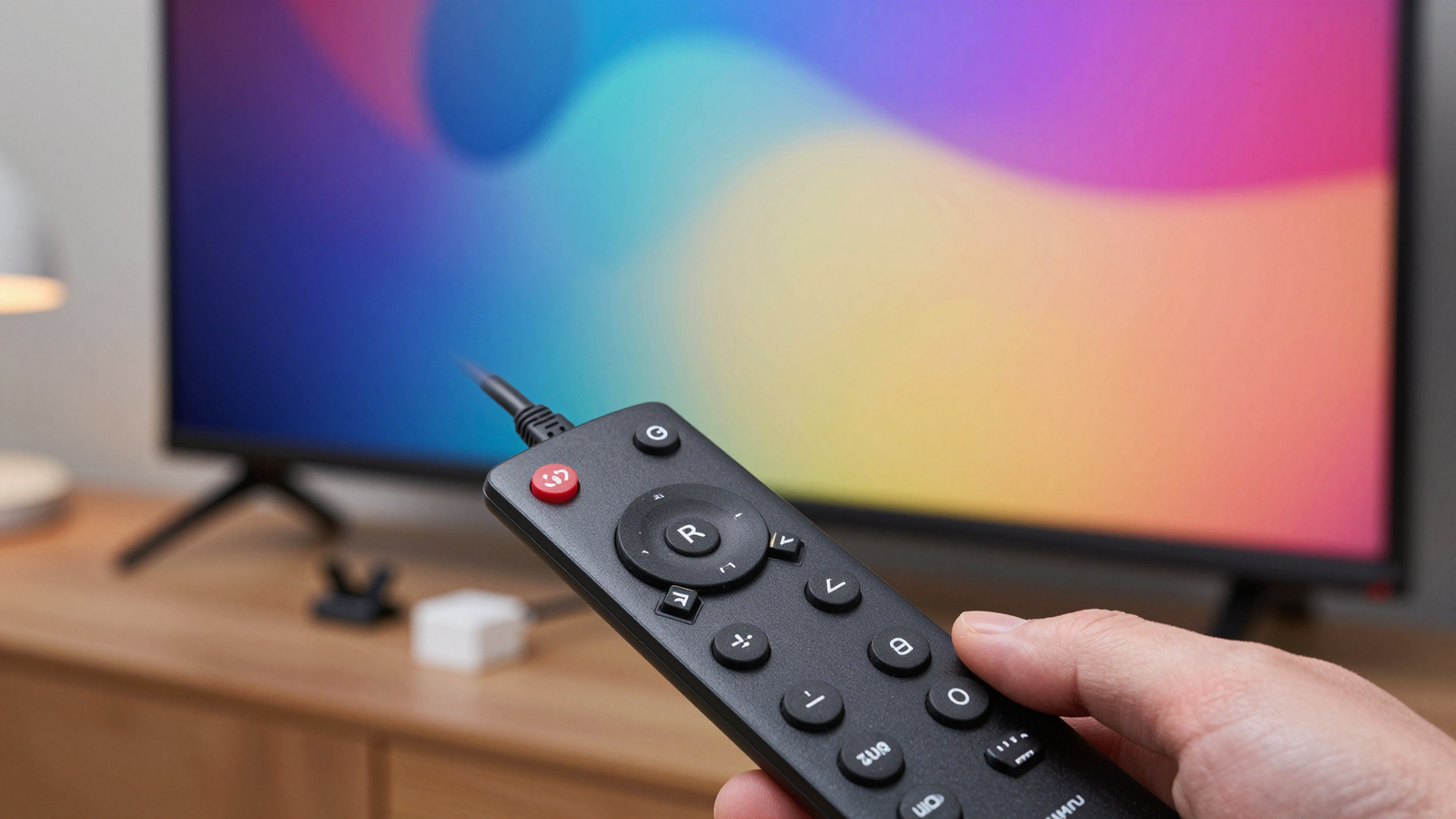
Streaming Quality: From HD to 8K With Real Bandwidth Requirements
Headline broadband speeds are marketing numbers. Your actual throughput during peak hours is the only figure that matters for a UK IPTV free trial. Actual real-world broadband speed during peak hours often differs significantly from the headline contract speed in the UK. A connection advertised at 100 Mbps may deliver 30 Mbps when your entire street is streaming simultaneously. That gap is where trials die.
Here are the real bandwidth requirements for stable IPTV streaming, assuming no other heavy usage on the same network:
- HD (720p/1080p): 10 Mbps minimum, though 15 Mbps provides headroom for network fluctuations.
- Full HD (1080p at higher bitrates): 25 Mbps to maintain consistent frame pacing without compression artefacts.
- 4K Ultra HD: 50 Mbps. Below this, expect occasional buffering during complex scenes with high motion.
- 8K: 100 Mbps. This is bleeding-edge and demands a wired Ethernet connection alongside a display that can actually resolve the detail.
These numbers assume a single active stream. If someone else in your household is gaming, video calling, or watching YouTube simultaneously, your available bandwidth per stream drops. A 50 Mbps connection shared between two 4K streams will buckle. Factor this into your IPTV test: run a speed test at speedtest.net during the exact hours you plan to watch, then compare the result against the requirements above.
One critical advantage of a premium service is adaptive bitrate streaming. The server detects your available bandwidth in real time and adjusts quality accordingly, preventing hard buffering pauses. This does not mean you can stream 4K on a 10 Mbps line, but it does mean an HD stream will hold steady rather than freeze when your connection dips momentarily. For more on the technical side of 4K streaming, see our IPTV UK 4K guide.
Which Devices Work Best for a Smooth Trial
Device choice directly impacts IPTV trial UK completion rates. Some setups are inherently prone to buffering, not because the service is weak but because the hardware and network configuration introduce instability. Understanding these failure points before you start can save hours of frustration.
The Amazon Fire Stick is the most popular IPTV device in the UK, and also the most commonly blamed for buffering issues. Here is why: a Fire Stick connected via Wi-Fi from a distance is fundamentally less stable than the same Fire Stick connected via an Ethernet adapter. The internal Wi-Fi antenna in a Fire Stick is small, easily obstructed by the TV chassis, and vulnerable to interference from Bluetooth devices, microwaves, and neighbouring routers on the same 2.4 GHz or 5 GHz channel. An Ethernet adapter, which costs around £15, transforms the device into a wired streaming workhorse with near-zero packet loss. For a full setup guide, visit our IPTV Firestick installation guide.
Smart TVs present a different set of challenges. Built-in IPTV apps on LG, Samsung, and Sony TVs often suffer from outdated software or aggressive power-saving settings that throttle network performance. If you are using a Smart TV for your trial, check three things: connect via Ethernet rather than Wi-Fi if possible, set the DNS to a reliable public server like Cloudflare (1.1.1.1) rather than your ISP’s default, and disable any eco mode or power-saving feature that might restrict background network activity.
MAG boxes and dedicated Android IPTV boxes generally deliver the most stable experience out of the box. They are purpose-built for IPTV, with optimised network stacks and sufficient processing power to decode 4K and 8K streams without dropped frames. If you are serious about IPTV beyond the trial, a dedicated box connected via Ethernet is the gold standard.
For software, apps like TiviMate and IPTV Smarters Pro are widely recommended. They offer intuitive electronic programme guides, catch-up features, and robust stream handling. Read our IPTV Smarters Pro setup guide for step-by-step installation across Smart TVs, Fire Stick, Android, iPhone, and Windows devices.
How VIP Servers & Anti-Freeze Technology Make Your Trial Buffer-Free
ISP throttling during peak hours degrades trial streaming quality, leading to higher abandonment. This single fact explains why so many trials fail, and it is why premium providers invest in dedicated VIP server infrastructure that actively counters throttling rather than passively accepting it.
A VIP server architecture works on three principles. First, load balancing: incoming traffic is distributed across multiple server nodes so that no single node becomes overwhelmed during high-demand events. If a PPV event draws a surge of viewers, the load balancer routes new connections to underutilised nodes, maintaining consistent performance for everyone already streaming. Second, anti-freeze caching: frequently accessed streams are pre-buffered and cached at the edge, reducing the round-trip time between your device and the content source. This is particularly effective for sports channels and movie channels where demand spikes are predictable. Third, real-time monitoring: server performance is tracked continuously, with automated failover that switches your stream to a healthy node within seconds if your current node degrades.
What distinguishes a premium IPTV Free Trial UK from a generic one is the server tier assigned to trial users. Generic trials often shunt new users onto overloaded nodes with the lowest priority, virtually guaranteeing a poor experience. A transparent service places trial users on the same VIP infrastructure as paid subscribers, because it knows the quality will speak for itself. For a broader comparison of what separates top-tier providers, see our guide on the best IPTV service UK.
Privacy & Anonymity: Your Viewing Stays Yours
When you start an IPTV trial UK, you are trusting the provider with your connection data. A reputable service operates on a strict no-log policy: your viewing habits, connection timestamps, and device information are never stored, never analysed, and never shared with third parties. This is not a legal requirement, it is a design philosophy that respects user privacy.
Encrypted connections are standard. All traffic between your device and the server should be secured, preventing your ISP from inspecting the nature of your streaming data. While a VPN is entirely optional and not required for the service to function, many experienced users choose to route their connection through a VPN for an additional layer of privacy. The service is fully VPN-friendly, meaning you can connect through any reputable VPN provider without compatibility issues.
Payment privacy matters too. For users who prefer complete anonymity, payment via cryptocurrency is available alongside standard methods. No personal data is ever sold to third parties, and the only information retained is what is strictly necessary to maintain your account. Your viewing stays yours, full stop.
How to Start Your UK IPTV Free Trial: Step-by-Step Checklist
Starting an IPTV free trial correctly means eliminating the common failure points before you load your first stream. Follow this checklist to give yourself the best chance of an accurate, informative IPTV test.
Step 1: Choose Your Device Wisely
Select a device that supports a wired Ethernet connection, or purchase an Ethernet adapter if you are using a Fire Stick. Wireless connections introduce variables you cannot control. If Ethernet is absolutely not an option, position your streaming device as close to the router as possible, ideally in the same room with clear line of sight.
Step 2: Measure Your Real Broadband Speed
Visit speedtest.net on the device you will use for streaming. Run the test during the time of day you are most likely to watch: typically between 7pm and 10pm on weekdays. Record the download speed. Compare it against the bandwidth requirements outlined earlier. If your speed is marginal for your target quality, consider lowering your resolution expectations or upgrading your broadband package.
Step 3: Install Your Preferred App
Download TiviMate, IPTV Smarters Pro, or another recommended IPTV player onto your device. These apps handle stream decoding more efficiently than browser-based players and provide a proper electronic programme guide. Follow the app’s setup instructions carefully, paying attention to any buffer size settings that can be adjusted for smoother playback.
Step 4: Enter Your Trial Credentials
Once your trial is activated, you will receive credentials via email or WhatsApp, typically within minutes. Enter these into your IPTV app exactly as provided. Most services use either an M3U playlist URL or an Xtream Codes API login. Both methods are straightforward and take less than two minutes to configure.
Step 5: Test During Peak Hours
This is the most important step and the one most trial users skip. Do not test at 2pm on a quiet weekday. Test during the evening peak, when ISP networks are under maximum load and server infrastructure is truly tested. Switch rapidly between categories. Load a PPV event if one is live. Watch for at least 30 continuous minutes. Only then will you have a realistic picture of long-term performance.
If you are ready to begin, buy IPTV UK with confidence after testing, or read our best IPTV UK guide for additional evaluation criteria before subscribing. For a complete overview of what a quality subscription includes, our IPTV subscription UK guide covers setup checklists and pricing in depth.

Conclusion: Your IPTV Free Trial UK Deserves a Fair Test
An IPTV Free Trial UK is only as useful as the conditions under which you run it. If your device is connected via weak Wi-Fi, your ISP is throttling peak-hour traffic, and the trial server is overloaded, no service on earth will impress you. The fault is not in the content, it is in the setup. Fix the variables you control: use Ethernet, test during peak hours, choose a provider with transparent opt-in trials and VIP server infrastructure. Then let the stream quality speak for itself.
The difference between a forgettable trial and one that converts into a long-term subscription often comes down to these practical details. Pay attention to them, and your free trial IPTV UK experience will tell you exactly what you need to know.
Ready to experience a properly engineered trial? British IPTV offers full access to VIP servers, no payment details required, and 24/7 support to help you get set up correctly. Learn more about how Internet Protocol television technology delivers content directly over your broadband connection.
📲 Get British IPTV via WhatsApp – 24/7 UK Support
Free trial available. No contracts. Money-back guarantee.
Frequently Asked Questions
Do I need to enter payment details for the IPTV free trial?
No. A genuine opt-in IPTV free trial UK does not require credit card or payment details. You receive full access to test the service without any risk of unexpected charges. If a trial asks for payment information upfront, it is likely an opt-out model that will auto-bill you unless you manually cancel. Always confirm the trial terms before signing up.
What internet speed do I need for a smooth IPTV trial?
For HD streaming, 10 Mbps is the minimum with 15 Mbps recommended for stability. Full HD requires 25 Mbps. 4K demands 50 Mbps for consistent performance without buffering. 8K needs 100 Mbps. These figures assume a single active stream with no other heavy usage on your network. Always test your speed during peak evening hours for an accurate picture.
How long does the IPTV free trial last?
Trial durations vary by provider, but most premium services offer between 24 and 48 hours of unrestricted access. This window is designed to let you test during at least one full peak-hour period. Use the time to evaluate stream stability, channel availability, and device compatibility rather than casually browsing.
Can I use the IPTV free trial on multiple devices?
Most trials are tied to a single active connection at a time, though you can usually switch between devices during the trial period. If you plan to test on a Fire Stick, a Smart TV, and a mobile device, install the IPTV app on all three beforehand and switch your trial credentials between them to compare performance. Multi-room viewing typically requires a paid subscription.
Why does my IPTV stream buffer even with fast broadband?
Buffering is rarely caused by raw speed alone. Common culprits include Wi-Fi interference, ISP throttling during peak hours, overloaded server nodes, and device-level network misconfiguration. Switching to a wired Ethernet connection and choosing a provider with VIP anti-freeze server infrastructure are the two most effective fixes. Running your trial during peak hours will reveal whether the service can handle real-world conditions.
What happens after my IPTV free trial ends?
If you signed up for an opt-in trial, nothing happens automatically. Your access simply expires at the end of the trial period. You will not be charged, and you will not be enrolled in a paid plan unless you actively choose to subscribe. This is why opt-in trials are the safer, more trustworthy model for evaluating an IPTV service.